
Safety
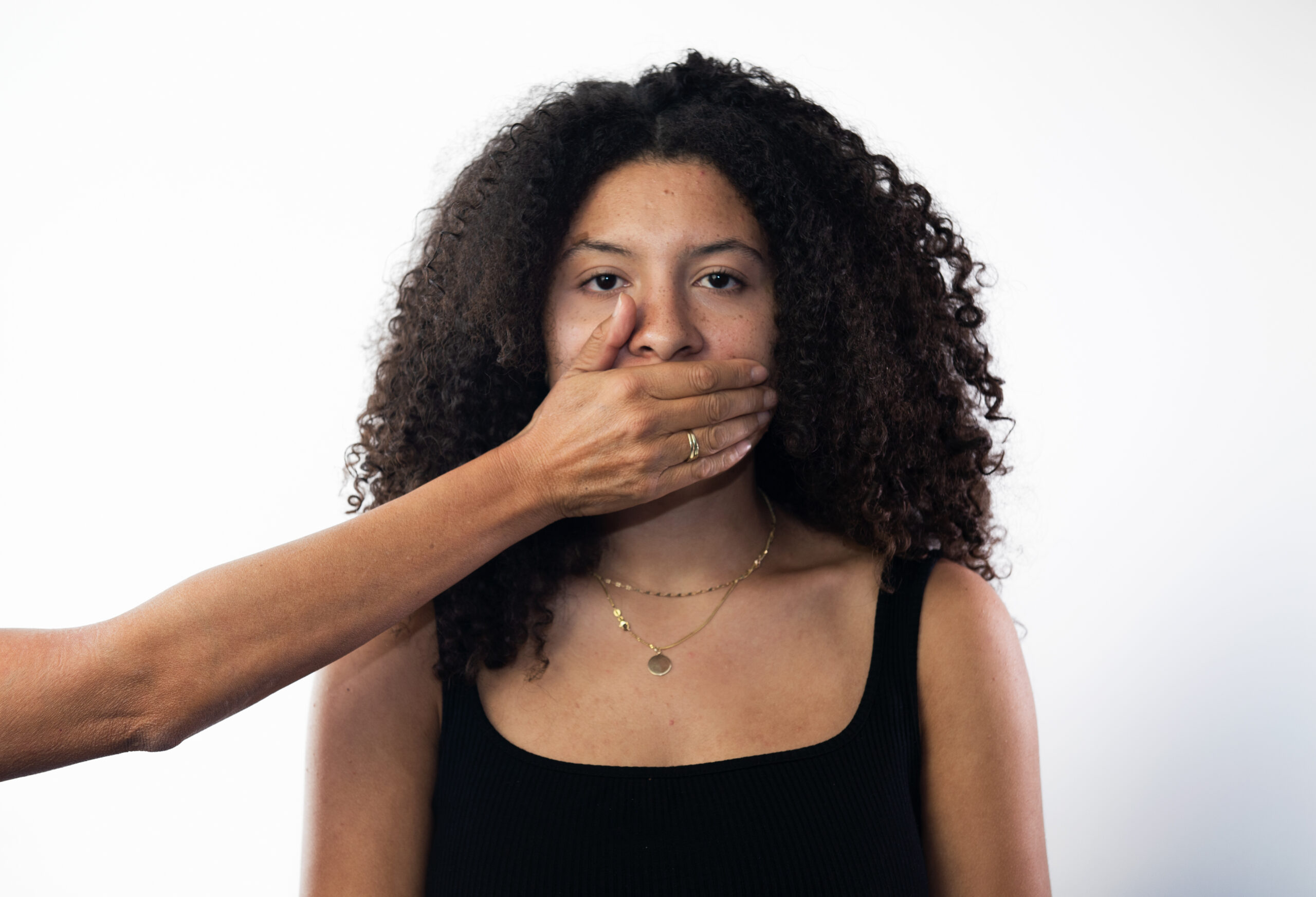
Every young person has the right to live free from violence, discrimination and inequality. Yet many young people around the world still experience sexual and gender-based violence. Safe environments do not happen by chance — they must be actively created.
The challenge
Sexual and gender-based violence is widespread. Globally, 1 in 3 women experience it in their lifetime.
Young people are strongly affected. Girls and young women are most at risk, but LGBTQI+ young people also face disproportionate levels of violence and discrimination.
Digital platforms have created new spaces where violence can spread. Online environments can amplify harmful gender norms, misogyny and abusive behaviour, sometimes normalising them among young people.
Impact on young people
Sexual and gender-based violence has serious consequences for young people’s physical, mental and sexual health.
The problem is also present in Europe and the Netherlands. More than half of girls and young women, and nearly a quarter of boys and young men aged 12 to 25, report having experienced some form of sexual transgressive behaviour.
LGBTQI+ young people are at even higher risk of violence, harassment and exclusion.
Why it happens
Sexual and gender-based violence does not happen in isolation. It is driven by inequality, harmful gender norms and unequal power relations.
Online content can reinforce these patterns. Young people are increasingly exposed to messages that normalise inequality and undermine respectful, equal relationships.
Prevention is essential
Everyone has the right to live in a society free from violence and inequality. That is why supporting survivors is not enough — preventing violence must be at the centre.
By focusing on prevention, we can reduce the number of people affected by sexual and gender-based violence.

Our work
We take an integrated approach to preventing and reducing sexual and gender-based violence.
We do this by:
- Providing reliable information and knowledge
- Running (online) campaigns and awareness-raising
- Conducting research and generating evidence
- Training and supporting professionals
- Advocating for stronger laws, policies and systems
We work with young people, but also with the systems around them: schools, parents, professionals, policymakers and digital platforms.
Young people as agents of change
Young people play a key role in preventing violence. We support them to recognise boundaries, build respectful relationships and act as active bystanders when needed.
We also work with boys and men to promote positive gender norms and equality. When they contribute to respectful relationships, safety increases for everyone.
Working towards change
We focus on challenging the harmful norms and inequalities that allow violence to persist. We do this together with partners around the world.
By connecting evidence, practice and policy, we work towards a society built on respect, equality and safety.
Our goal is clear: a world where all young people can grow up safe, free from violence and discrimination.
