Related
Also check out our other stories!

''I don’t want to see 40 webinars analysing the effects of Trump’s re-election—I want to see 40 webinars on what we’re going to do about it!''
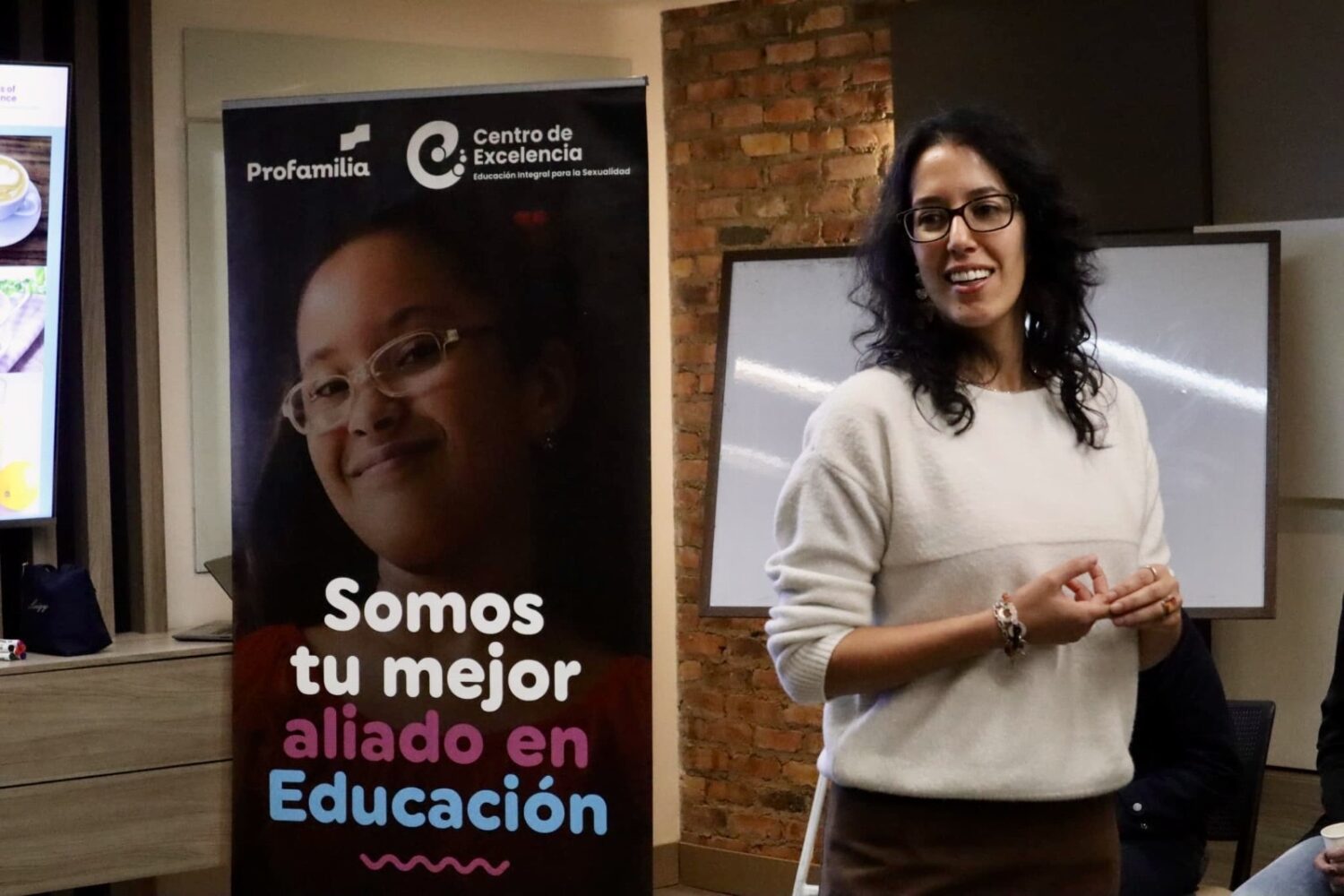
Profamilia, with 50 health clinics nationwide and 1,800 employees, is a leader in advancing SRHR in Colombia and beyond. We spoke with its director, Marta Royo, about advocating in Congress, global solidarity, and what fuels her commitment amid rising opposition and disinformation in Colombia. “I regularly carve out time to sit in the waiting room of a Profamilia clinic. The stories you hear—teenagers with nowhere else to turn—are a powerful reminder: I have no right to complain.”
Profamilia is well-known for its impact, including helping change the Colombian child marriage law and significantly reducing teenage pregnancies. However, in recent years, the organisation has faced challenges that are common across the sexual and reproductive health & rights (SRHR) sector. Ultra-conservative lobby groups, both nationally and internationally, are increasingly influencing public debate and legislation. While their efforts shape policies on sexual health and rights, they also push for new restrictions.

Royo: “In Colombia, these lobby groups have successfully introduced new laws that shift responsibility for sexuality education completely from educators to parents. These laws undermine the government’s role in ensuring all young people in Colombia have access to comprehensive and developmentally and age-appropriate sexuality education. This is how sexuality education becomes increasingly politicised.’’
Similar to the U.S., lobby groups in Colombia have introduced controversial narratives, such as debates around transgender rights and gender ideology, linking them to comprehensive sexuality education (CSE), and contributing to the misrepresentation of sexuality education in public discourse. “Despite Colombia’s progressive laws, I wouldn’t be surprised if the country eventually faces a complete ban on comprehensive sexuality education.”
To navigate resistance effectively, Royo underscores the importance of global collaboration. “Colombia is blessed with a progressive framework for comprehensive sexuality education and even for safe abortion, but we face significant barriers in implementing these rights. By partnering with organisations like Rutgers, Profamilia learns from others on how to navigate resistance and build support for SRHR services. Whether it is about combatting disinformation or working with governments that are less supportive of SRHR, we need to exchange the good, the bad, and the ugly.”
In the past few weeks, Marta has been pleased to see organisations sharing their insights on the expected effects of the latest U.S. election on sexual health and rights. “To partners, I would say:
“Let's go beyond debates and focus on actionable strategies. I don’t want to see 40 webinars analysing the effects of Trump’s re-election—I want to see 40 webinars on what we’re going to do about it!"”

Sharing good practices is just as crucial. Profamilia’s success is evidenced by independent evaluations. Over the past five years, one of the programmes, which took place in eight municipalities facing high levels of violence and crisis, has successfully reduced adolescent pregnancies and gender-based violence—issues that are notoriously difficult to tackle. According to Royo, these results are thanks to the way interventions are set up, with constant feedback and community collaboration, including active involvement of young people themselves.
She highlights the value of sharing these learnings, not just to celebrate success but to enable others to replicate it. “I hope others can learn from our experiences, adapt our approaches and apply similar strategies in their own communities.”
Sharing good practices is just as crucial. Profamilia’s success is evidenced by independent evaluations. Over the past five years, one of the programmes, which took place in eight municipalities facing high levels of violence and crisis, has successfully reduced adolescent pregnancies and gender-based violence—issues that are notoriously difficult to tackle. According to Royo, these results are thanks to the way interventions are set up, with constant feedback and community collaboration, including active involvement of young people themselves.
She highlights the value of sharing these learnings, not just to celebrate success but to enable others to replicate it. “I hope others can learn from our experiences, adapt our approaches and apply similar strategies in their own communities.”
Results alone are not enough—convincing policymakers to support and scale these interventions is equally essential. Here too, Profamilia has gained successes. “Young people themselves are the most compelling advocates. With parental consent, we supported young people to share their experiences with comprehensive sexuality education—or the lack of it—and the impact they see in their communities when it’s unavailable.”
Equally, in our recent campaign against child marriage—still legal in Colombia until 2024—we fought to change the law by amplifying youth voices in Congress. Few things are as powerful as hearing young people say:
”Yes, I want to marry, but when I’m ready. Let me be young first, finish school, and then choose who I want to spend my life with”.
The results continue to keep her motivated, but she’s not looking away from challenges she and her team face on a daily basis. “With the rise of anti-rights movements, dis and misinformation, and ultra-conservatism, it may feel we are moving backwards, instead of forwards. Self-care is essential—but so is staying grounded in reality. I regularly carve out time to sit in the waiting room of a Profamilia clinic. The stories you hear—teenagers with nowhere else to turn—are a powerful reminder: I have no right to complain.”
Rutgers works with Profamilia through the Centers of Excellence partnership in Colombia, part of a global network that includes Ghana, Togo, and the Netherlands, sharing knowledge and tools to expand comprehensive sexuality education. In January 2025, Rutgers delivered a comprehensive Gender Transformative Approach- training to Profamilia staff, to actively examine, challenge and transform the underlying causes of gender inequality, and to involving men and boys in the process. Rutgers is learning from Profamilia’s best practices, including their approach to campaigning and building support for CSE.
Also check out our other stories!
Uw browser (Internet Explorer 11) is verouderd en wordt niet meer ondersteund. Hierdoor werkt deze website mogelijk niet juist. Installeer Google Chrome of update uw browser voor meer internetveiligheid en een beter weergave.